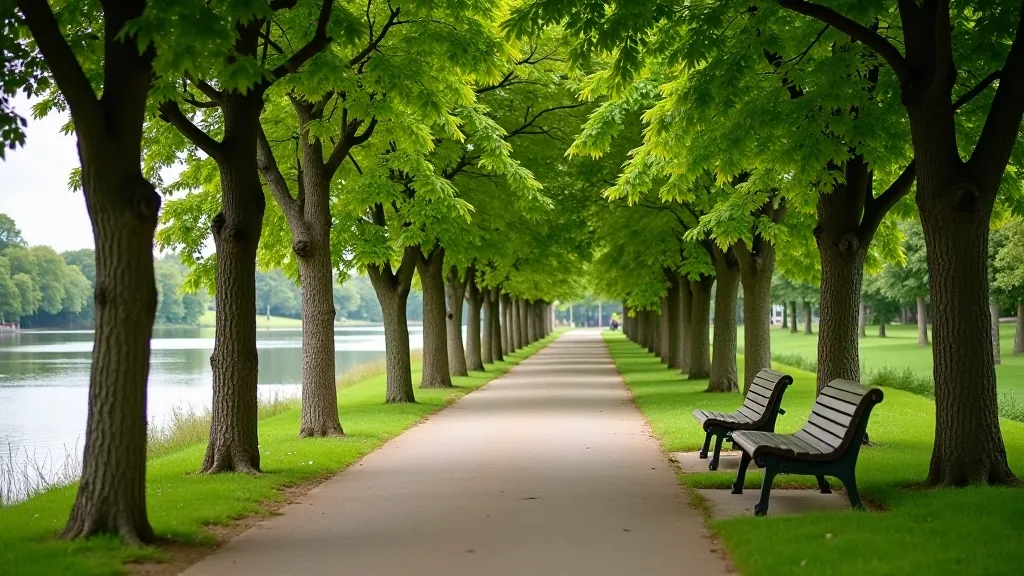
Exploring Rundāle Palace Gardens at Your Own Pace
Gentle walking route through one of Latvia's most beautiful palaces, with plenty of resting spots and cultural highlights along the way.
Read GuideEssential guidance on footwear, hydration, pacing, and navigation to ensure your walks remain enjoyable and safe throughout the year.
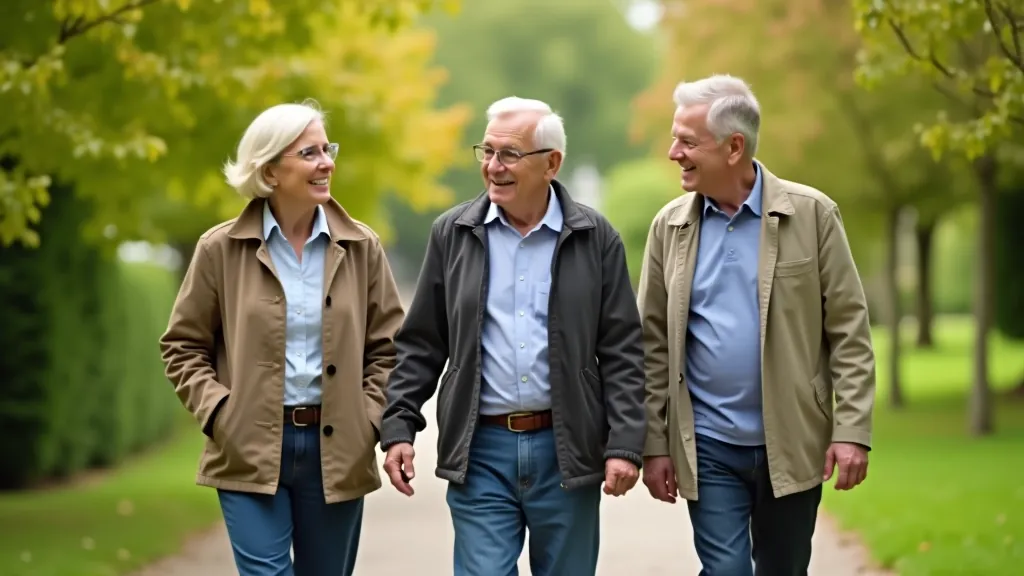

Walking is one of the best ways to stay active, explore your surroundings, and enjoy the outdoors. But your 60s and beyond bring different physical considerations than earlier years. It's not about walking less — it's about walking smarter. With the right preparation and awareness, you can walk confidently on routes like those at Rundāle Palace Gardens or along the Bauska riverside, regardless of weather or terrain.
The good news? Most walking-related issues are preventable. We've covered the essentials below: proper footwear, hydration strategies, pacing techniques, and navigation tips that'll keep you safe and comfortable. Let's get started.
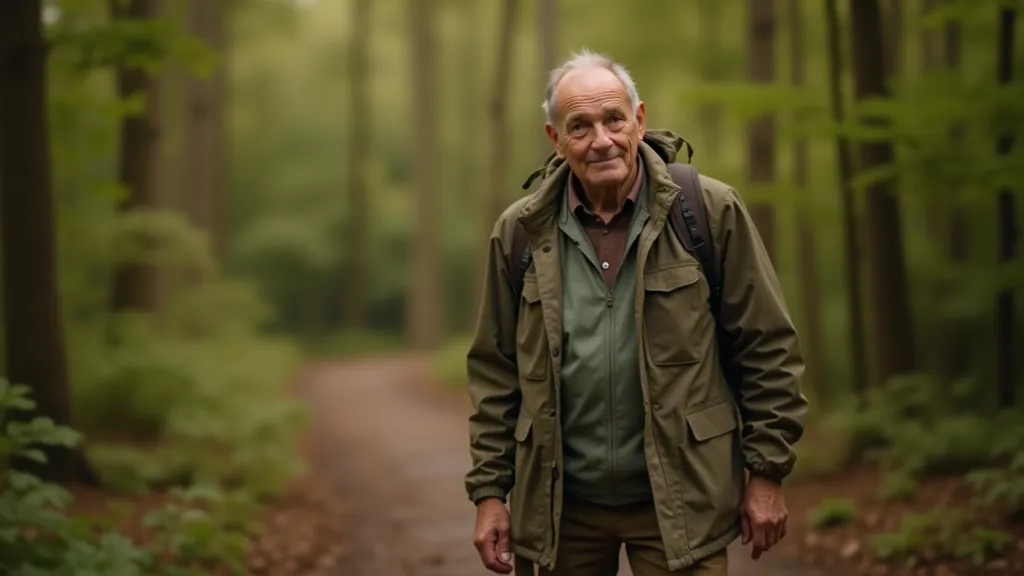
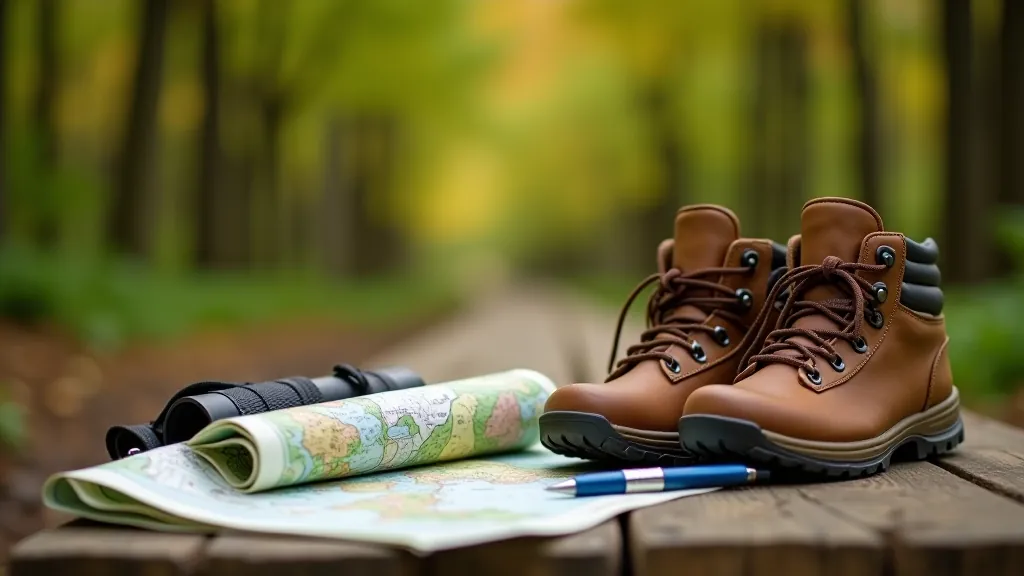
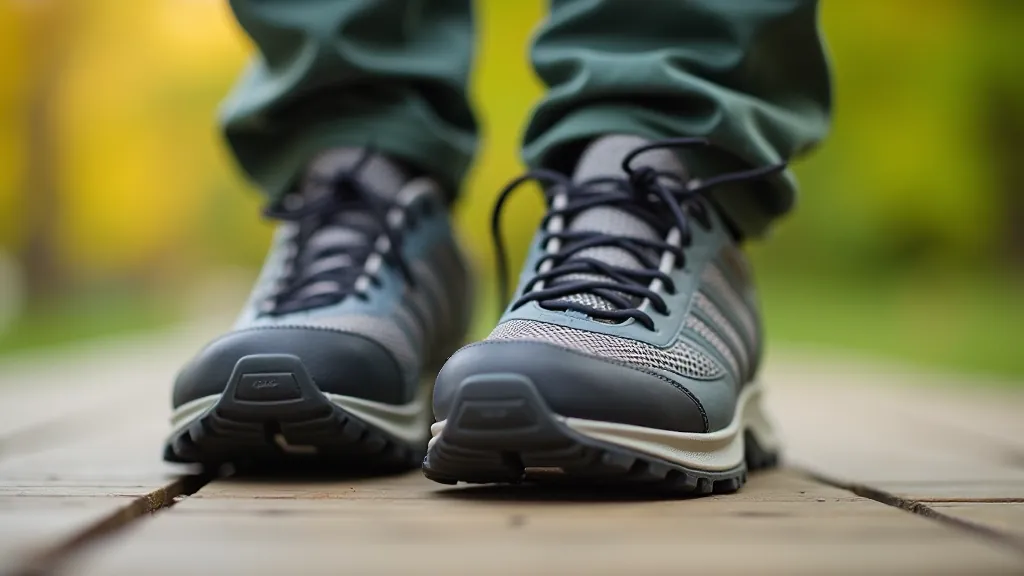
Your shoes aren't just comfort — they're injury prevention. At this stage of life, ankle support and cushioning become non-negotiable. You'll want shoes with:
Don't assume your regular sneakers will work. Proper walking shoes cost £60–£120 and last 6–12 months depending on how frequently you walk. Get fitted at a specialist shop if possible — they'll assess your gait and recommend shoes accordingly. Break them in at home before tackling longer routes.

Thirst is a poor indicator of dehydration at your age. Your body's thirst mechanism becomes less reliable, which means you might be dehydrated without realizing it. Here's what works:
Start every walk with 200–300ml of water already in your system (drink it 20 minutes before you leave). Then carry a water bottle and sip every 15–20 minutes, even if you don't feel thirsty. For walks longer than 45 minutes, aim for 500ml per hour. Don't wait until you reach the garden cafe or riverside rest area — bring water with you.
On warm days, electrolyte drinks (not sports drinks loaded with sugar) help with absorption. And yes, this means more bathroom stops — that's normal and worth the safety benefit. Dehydration causes dizziness, poor decision-making, and muscle cramps. None of those are helpful when you're on a path.
This article provides educational information about outdoor walking safety for older adults. It's not medical advice. If you have existing health conditions, take medications, or haven't exercised recently, speak with your doctor before starting a new walking routine. Everyone's physical capabilities vary — listen to your body and adjust pace and distance accordingly.
Speed doesn't matter. Distance doesn't matter. What matters is consistency and how you feel during and after the walk. Most people in their 60s and beyond walk at 3–4 km/h comfortably — that's roughly 45–60 minutes per mile. Don't rush.
Here's a practical approach: Use the "talk test." If you can't hold a conversation while walking, you're going too fast. Slow down. You should be able to chat with a walking partner or mentally narrate what you're seeing. This ensures your heart rate stays manageable and you're not exhausting yourself.
For new routes (like Rundāle Palace Gardens if it's your first visit), add 20 minutes to your estimated time. Terrain, elevation changes, and distractions slow you down. Build in rest stops every 30–45 minutes. Sit down, eat a light snack, drink water. Your body recovers faster with these breaks than pushing through without stopping.

Latvia's weather changes fast. You might leave in mild conditions and find yourself in rain or wind within an hour. Here's what actually works:
Layer strategically: Base layer (moisture-wicking), mid-layer (fleece or wool), outer layer (waterproof jacket). You can remove layers as you warm up.
Avoid cotton — it holds moisture and makes you cold. Wool or synthetic materials dry faster and insulate even when damp. Wear a hat and gloves in cooler months. In summer, light-colored clothing reflects heat, and a cap protects your eyes from sun glare on water (important on riverside routes).
Don't walk in heavy rain or strong wind. Slippery paths and poor visibility create unnecessary risk. Check the forecast before you go and postpone if conditions look rough. There's always another day to walk.

Safety on walks isn't complicated. It's the combination of small, intentional choices: wearing proper shoes, staying hydrated, moving at a sustainable pace, knowing where you're going, and dressing for conditions. These habits protect you and make every walk more enjoyable.
Start with shorter, familiar routes to build confidence. As you feel stronger, try new places — Rundāle Palace Gardens offers gentle paths with cultural interest, and the Bauska riverside provides scenic views without technical difficulty. Both are excellent destinations once you've established your baseline fitness and routines.
Most importantly, don't let caution stop you from walking. The risks of staying sedentary far outweigh the risks of getting outside safely. You've got this.